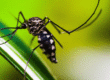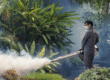


Charleston, South Carolina offers a lifestyle centered around outdoor living, historic charm, and coastal beauty. From evening walks along Market Street to time spent near the Cooper River or visits around the Dock Street Theatre area, much of daily life naturally extends outdoors. However, the same coastal environment that makes the city so appealing also creates ideal conditions for mosquitoes and no-see-ums to thrive.
The high subtropical humidity in Charleston plays a major role in year round pest activity. Combined with coastal flooding, frequent rainfall, and warm temperatures, moisture often lingers in yards, gardens, and low lying areas. This creates consistent breeding opportunities that contribute to extremely high mosquito pressure across residential neighborhoods, especially in areas closer to marshes and tidal waterways.
Outdoor conditions in Charleston are also influenced by a natural Sun Cycle lifestyle pattern. Homeowners tend to spend more time outside in the early morning and evening hours, which coincides with peak mosquito and no-see-um activity. This overlap makes effective mosquito control for yard spaces especially important for families who want to enjoy patios, porches, and outdoor gatherings without constant interruption.
No-see-ums add another layer of difficulty for Charleston homeowners. These tiny biting insects thrive in humid, coastal environments and are often most active near water influenced by tidal movement. Their presence is especially noticeable in areas affected by coastal flooding, where moisture remains long after rainfall has passed.
Because of these conditions, mosquito control for yard spaces in Charleston requires more than occasional treatment. It requires a consistent and layered approach that accounts for both environmental factors and seasonal changes. Homeowners who understand how humidity, flooding, and coastal geography influence pest activity are better prepared to manage their outdoor spaces effectively throughout the year.
MosquitoNix helps homeowners in Charleston take a more structured approach to Mosquito Control. By focusing on solutions designed for coastal environments, including Mosquito Misting Systems and targeted treatment options, residents can reduce mosquito and no-see-um activity and take back their outdoor living spaces even in challenging conditions.
What Is the Best Way to Control Mosquitoes in Your Yard?
Homeowners in Charleston often ask what the best way is to handle mosquito control for yard spaces, especially given the city’s high subtropical humidity and frequent coastal flooding. In reality, there is no single solution that works on its own in this type of environment. The most effective approach is a layered strategy that addresses both mosquito breeding conditions and adult activity.
In areas like Mount Pleasant, along the Cooper River, and near downtown landmarks such as Market Street and the Dock Street Theatre, outdoor conditions shift quickly. Afternoon storms can create standing water in yards, and tidal influences can keep soil and low areas saturated. These conditions contribute to extremely high mosquito pressure and also support no-see-ums, which thrive in moist coastal environments.
Start with Reducing Breeding Conditions
The foundation of mosquito control for yard spaces begins with removing standing water wherever possible. Mosquitoes can reproduce quickly when water is left undisturbed after rain or flooding.
Homeowners should focus on:
- Emptying containers that collect rainwater
- Cleaning gutters and downspouts regularly
- Addressing low areas in the yard where water pools
- Refreshing birdbaths and water features frequently
- Checking outdoor furniture covers after storms
In Charleston, this step is especially important during periods of coastal flooding when water may linger longer than expected.
Support Hard to Manage Areas
Not all water can be fully removed in coastal environments. Low lying properties and areas influenced by tidal movement often retain moisture even after basic cleanup efforts. This is where broader Mosquito Control strategies become important, helping to manage conditions that naturally support mosquito and no-see-um activity.
Combine Yard Care with Targeted Solutions
Yard maintenance also plays a key role in reducing mosquito activity. Keeping grass trimmed, reducing dense vegetation, and improving airflow around outdoor living spaces can make yards less attractive to mosquitoes and no-see-ums during peak activity times.
However, in Charleston’s climate, yard care alone is often not enough due to persistent humidity and recurring rainfall patterns.
A Layered Mosquito Control Strategy Works Best
The most effective mosquito control for yard spaces in Charleston combines multiple methods that work together, including:
- Removing standing water after storms and flooding events
- Maintaining landscaping to reduce shaded resting areas
- Managing moisture in low lying and coastal influenced areas
- Using Mosquito Misting Systems for ongoing outdoor coverage
- Applying QuickNix Mosquito Treatments during peak activity periods
This layered approach is especially important in coastal communities where environmental conditions change frequently.
MosquitoNix helps Charleston homeowners build these comprehensive Mosquito Control strategies so they can better manage mosquito and no-see-um activity and enjoy their outdoor spaces with fewer disruptions throughout the season.
What Is the Best Outdoor Mosquito Control?
When Charleston homeowners look for the best outdoor mosquito control, they are often trying to solve a problem that is constant rather than seasonal. High subtropical humidity, coastal flooding, and the influence of waterways like the Cooper River create conditions where mosquitoes and no-see-ums can remain active for much of the year. In neighborhoods around Mount Pleasant, and even in busy downtown areas near Market Street and the Dock Street Theatre, outdoor spaces often require ongoing attention to stay comfortable.
The best outdoor mosquito control is not a single product or one time treatment. It is a combination of methods that reduce breeding sites, limit adult mosquito activity, and provide consistent coverage around the yard.
Consistent Yard Management as a Foundation
Effective outdoor mosquito control always begins with the yard itself. In Charleston’s climate, moisture can build up quickly after afternoon thunderstorms or coastal flooding events. Without consistent upkeep, these conditions allow mosquito populations to increase rapidly.
Key yard management practices include:
- Removing standing water after rain or flooding
- Keeping grass and vegetation trimmed
- Reducing dense shaded areas where moisture lingers
- Improving drainage in low lying sections of the yard
These steps help reduce the environments where mosquitoes and no-see-ums thrive.
Mosquito Misting Systems for Ongoing Coverage
One of the most effective long term solutions for outdoor mosquito control in Charleston is the use of Mosquito Misting Systems. These systems are designed to provide consistent treatment coverage around outdoor living spaces such as patios, gardens, and pool areas.
Because Charleston experiences frequent weather changes, including humidity spikes and sudden rain events, having a system that works on a schedule helps maintain more stable yard conditions throughout the season. This is especially useful in areas close to marshes or tidal waterways where mosquito activity tends to remain high.
QuickNix Mosquito Treatments for Peak Activity
During periods of increased mosquito pressure, such as after storms or during extended warm and humid stretches, QuickNix Mosquito Treatments can help address sudden spikes in activity. These treatments are often used as part of a broader Mosquito Control strategy to support homeowners when environmental conditions shift quickly.
In Charleston, this can be particularly important during times of coastal flooding when standing water temporarily increases across residential areas.
Addressing No-See-Ums in Outdoor Spaces
No-see-ums are another important factor in Charleston outdoor environments. These tiny biting insects are especially common in humid coastal regions and are often more noticeable during calm, warm evenings. They tend to gather near moist areas, which makes them difficult to manage without a structured approach to yard care and ongoing control.
Because of their size and behavior, no-see-ums require the same layered approach as mosquitoes, focusing on reducing moisture and improving overall yard conditions.
The Most Effective Strategy Is a Combined Approach
The best outdoor mosquito control in Charleston combines multiple layers of protection, including:
- Yard maintenance and drainage improvements
- Ongoing Mosquito Control practices
- Mosquito Misting Systems for consistent coverage
- QuickNix Mosquito Treatments during peak conditions
- Attention to no-see-um activity in humid coastal areas
MosquitoNix helps homeowners implement these strategies so they can better manage mosquito and no-see-um pressure and enjoy their outdoor spaces more consistently throughout the year.
Is It Worth Spraying Your Yard for Mosquitoes?
Many Charleston homeowners consider spraying their yard when mosquito activity becomes noticeable, especially during the warmer months when high subtropical humidity, afternoon thunderstorms, and coastal flooding combine to create extremely high mosquito pressure. In areas like Mount Pleasant, near the Cooper River, and even around busy downtown corridors such as Market Street and the Dock Street Theatre, outdoor conditions can change quickly and lead to sudden increases in mosquito and no-see-um activity.
The question is whether yard spraying is worth it as part of a mosquito control for yard strategy. The answer depends on expectations and how it is used within a broader plan.
Yard Spraying Can Help, But Results Are Temporary
Spraying can reduce mosquito activity in the short term by targeting adult insects resting in vegetation and shaded areas. In Charleston’s climate, however, the effects often do not last long. Frequent rainfall, humidity, and tidal moisture can quickly recreate conditions that support new mosquito development.
This means spraying alone is rarely enough to manage ongoing Mosquito Control needs in coastal environments.
Why Charleston’s Environment Requires Ongoing Control
Charleston presents unique challenges because of its combination of weather and geography. Afternoon storms can leave behind standing water, while coastal flooding and tidal movement can saturate low lying yards for extended periods. These conditions allow mosquitoes and no-see-ums to return quickly after treatment.
Without consistent management, yard spraying may provide only temporary relief before mosquito activity builds again.
When Yard Spraying Is Most Effective
Yard spraying can still be worth it when used strategically, especially during periods of peak mosquito pressure. In Charleston, this often includes:
- After heavy rain or storm events
- During extended humid heat waves
- When coastal flooding increases standing water
- During outdoor gatherings or events
In these situations, spraying can provide short term reduction in mosquito activity while longer term solutions remain in place.
The Role of a Layered Mosquito Control Approach
Rather than relying solely on spraying, the most effective mosquito control for yard spaces in Charleston involves a layered approach that includes:
- Regular removal of standing water
- Yard maintenance to reduce shaded resting areas
- Mosquito Misting Systems for ongoing outdoor coverage
- QuickNix Mosquito Treatments during peak activity periods
- Attention to no-see-ums in humid coastal zones
This combination helps address both immediate mosquito activity and the environmental conditions that allow it to return.
A Smarter Investment in Yard Comfort
For many Charleston homeowners, the value is not just in whether spraying works, but in how well it fits into a long term strategy. When used as part of a broader Mosquito Control plan, it can contribute to more comfortable outdoor spaces, especially in high activity seasons.
MosquitoNix helps homeowners move beyond temporary fixes by offering solutions designed for Charleston’s coastal environment. With consistent strategies in place, residents can better manage mosquito and no-see-um activity and take back their outdoor living spaces even during challenging weather conditions.
How to Get Rid of Mosquitoes in Your Yard Fast During Charleston Weather Spikes
When mosquito activity suddenly increases in Charleston, homeowners often look for fast ways to restore comfort in their outdoor spaces. This is especially common after afternoon thunderstorms, periods of coastal flooding, or extended stretches of high subtropical humidity. In areas like Mount Pleasant, near the Cooper River, and even around busy downtown spots such as Market Street and the Dock Street Theatre, conditions can shift quickly and lead to noticeable spikes in both mosquitoes and no-see-ums.
While long term mosquito control for yard spaces requires a layered approach, there are immediate steps homeowners can take to reduce activity in the short term.
Remove Standing Water Right Away
The fastest way to reduce mosquito activity is to eliminate standing water. After rain or flooding, even small amounts of water can become breeding sites in a short period of time.
Focus on:
- Emptying containers, buckets, and flowerpots
- Clearing clogged gutters and downspouts
- Checking low areas where water collects after storms
- Refreshing birdbaths and outdoor water features
- Removing debris that traps rainwater
In Charleston’s coastal environment, this step is especially important because moisture can linger longer due to humidity and tidal influence.
Increase Air Movement in Outdoor Areas
Mosquitoes and no-see-ums are both affected by airflow. Improving air movement around patios and seating areas can make outdoor spaces less active for these pests in the short term.
Homeowners can:
- Use outdoor fans on porches or decks
- Open up dense landscaping to improve circulation
- Trim overgrown shrubs that block airflow
This is particularly helpful during warm evenings when the Sun Cycle lifestyle in Charleston encourages more outdoor activity.
Target High Activity Zones in the Yard
Mosquitoes tend to rest in shaded and humid areas during the day. Identifying and addressing these zones can help reduce their presence quickly.
Common hotspots include:
- Under decks and porches
- Dense shrubs and hedges
- Shaded sides of homes
- Areas near drainage or runoff paths
No-see-ums are also commonly found in moist, protected areas, making these zones especially important in coastal yards.
Use Quick Treatment Options When Needed
During peak mosquito pressure, especially after storms or coastal flooding, QuickNix Mosquito Treatments can help reduce active populations around outdoor living areas. These treatments are often used as part of a broader Mosquito Control strategy when conditions change rapidly and immediate relief is needed.
Understanding the Limits of Fast DIY Control
DIY methods can provide quick improvement, but in Charleston’s climate, their effects are often temporary. High humidity, frequent rainfall, and tidal moisture can quickly recreate conditions that support mosquito and no-see-um activity.
This is why fast solutions are most effective when combined with longer term strategies such as Mosquito Misting Systems and consistent yard maintenance.
Fast Relief Works Best as Part of a Bigger Plan
The most effective mosquito control for yard spaces in Charleston combines immediate actions with ongoing solutions. Quick steps like removing standing water and improving airflow help reduce activity right away, while structured Mosquito Control systems help maintain results over time.
MosquitoNix supports homeowners with both fast response options and long term solutions, helping Charleston residents manage mosquito and no-see-um pressure so they can enjoy their outdoor spaces even during challenging weather conditions.
What Can You Put Outside to Reduce Mosquitoes and No-See-Ums?
Charleston homeowners often look for simple things they can place or use outdoors to reduce mosquito and no-see-um activity around their yards. With high subtropical humidity, coastal flooding, and frequent afternoon thunderstorms, outdoor spaces in areas like Mount Pleasant, along the Cooper River, and near downtown landmarks such as Market Street and the Dock Street Theatre can quickly become active zones for pests. These conditions make mosquito control for yard spaces a consistent concern throughout much of the year.
While no single item placed outside will solve the problem on its own, there are practical additions and environmental adjustments that can support a more effective Mosquito Control strategy.
Eliminate Standing Water Sources First
The most important thing homeowners can put outside is a focus on removing standing water. Mosquitoes need water to reproduce, and in Charleston’s coastal environment, even small collections can become breeding sites after rain or flooding.
Check regularly for:
- Flowerpots and plant trays
- Buckets and containers left outdoors
- Clogged gutters and downspouts
- Low areas where water collects after storms
- Outdoor furniture covers that trap rainwater
During periods of coastal flooding, this step becomes even more important because water may persist longer due to saturation and tidal influence.
Use Mosquito Dunking in Problem Areas
For outdoor spaces where water cannot be fully removed, Mosquito Dunking can be used to help manage mosquito larvae before they mature into biting adults. This is especially useful in Charleston yards with rain barrels, drainage areas, or low lying sections influenced by tidal saltwater inundation.
By targeting mosquitoes early in their life cycle, homeowners can reduce future activity in their yard and support broader outdoor mosquito control efforts.
Improve Yard Conditions to Reduce Activity
What you maintain outside your home plays a major role in mosquito and no-see-um activity. These pests are attracted to shaded, humid environments where they can rest during the day and remain protected from airflow.
Helpful improvements include:
- Keeping grass trimmed regularly
- Reducing dense vegetation and overgrowth
- Clearing leaf litter and organic debris
- Increasing airflow around patios and seating areas
These adjustments help make outdoor spaces less favorable for sustained mosquito activity.
Add Professional Mosquito Control Support
For more consistent results, many Charleston homeowners combine yard improvements with professional solutions. Mosquito Misting Systems are commonly used to provide ongoing Mosquito Control coverage around outdoor living spaces such as patios, pools, and gardens.
QuickNix Mosquito Treatments can also be applied during periods of increased activity, especially after storms or flooding events when mosquito and no-see-um populations tend to rise quickly.
A Layered Approach Works Best in Charleston
Because Charleston’s environment is shaped by humidity, storms, and coastal water movement, no single product or placement will fully control mosquito activity. The most effective mosquito control for yard spaces combines multiple layers, including:
- Removing standing water after storms and flooding
- Using Mosquito Dunking where water cannot be eliminated
- Maintaining yard conditions to reduce shaded resting areas
- Supporting properties with Mosquito Misting Systems
- Applying QuickNix Mosquito Treatments during peak periods
MosquitoNix helps homeowners build these layered Mosquito Control strategies so they can better manage mosquito and no-see-um activity and enjoy their outdoor spaces more consistently throughout the Charleston season.
Where in the US Has the Least Mosquitoes?
Homeowners in Charleston often wonder how their mosquito control for yard challenges compare to other parts of the country. The reality is that mosquito and no-see-um pressure varies widely across the United States, largely based on climate, humidity, and access to standing water.
Charleston sits on the opposite end of the spectrum from the driest regions of the country. With high subtropical humidity, coastal flooding, and frequent afternoon thunderstorms, conditions here support mosquito activity for much of the year. Areas influenced by the Cooper River, as well as neighborhoods near Market Street, the Dock Street Theatre, and other low lying parts of the city, experience especially high levels of mosquito and no-see-um activity due to moisture retention and tidal effects.
Regions With Lower Mosquito Activity
In general, the areas with the least mosquitoes tend to share a few common characteristics, including low humidity, minimal standing water, and limited rainfall. Examples include:
- Desert regions in the southwestern United States
- High elevation areas with cooler temperatures
- Dry inland regions with limited surface water
In these environments, mosquitoes have fewer opportunities to breed and often have shorter active seasons.
Why Charleston Is Different
Charleston’s coastal geography creates a very different environment. Coastal flooding can introduce standing water into residential areas, and high humidity allows moisture to linger long after rain has passed. This combination creates ideal conditions for both mosquitoes and no-see-ums.
Unlike drier regions, mosquito populations in Charleston can remain active across multiple seasons, especially when warm temperatures continue into the fall.
No-See-Ums Add Another Layer of Complexity
No-see-ums are particularly common in coastal environments like Charleston. They thrive in moist, marsh influenced areas and are often most active during calm, humid evenings. Their presence is especially noticeable near tidal waterways and low lying neighborhoods where moisture remains consistent.
Because of this, mosquito control for yard spaces in Charleston must address both mosquitoes and no-see-ums together, rather than treating them as separate issues.
What This Means for Yard Control Strategies
Compared to low mosquito regions in the United States, Charleston homeowners require a more proactive and consistent approach to Mosquito Control. Simple or occasional treatments are often not enough to manage the level of activity created by the local environment.
A more effective strategy includes:
- Regular yard maintenance to reduce moisture and shelter areas
- Removing standing water after storms and flooding events
- Using Mosquito Misting Systems for ongoing coverage
- Applying QuickNix Mosquito Treatments during peak activity periods
- Addressing no-see-ums in humid coastal conditions
MosquitoNix helps Charleston homeowners understand how their environment influences mosquito and no-see-um activity so they can build more effective outdoor mosquito control strategies and take back their backyard throughout the year.
Understanding No-See-Ums in Charleston’s Coastal Yards
No-see-ums are one of the most frustrating challenges for Charleston homeowners trying to improve mosquito control for yard spaces. These tiny biting insects are far smaller than mosquitoes, but their impact is often just as noticeable, especially in humid coastal environments. In Charleston, where high subtropical humidity, coastal flooding, and tidal influence are part of everyday conditions, no-see-ums are a consistent concern in outdoor living areas.
Whether you are spending time near Market Street, along the Cooper River, or in residential areas influenced by low lying coastal geography, no-see-ums can become highly active during warm, calm evenings that follow daytime heat.
Why No-See-Ums Thrive in Charleston
No-see-ums are strongly tied to moisture and organic matter in coastal environments. Charleston provides an ideal setting due to several factors:
- High humidity that keeps surfaces damp for long periods
- Coastal flooding that leaves behind saturated soil
- Marsh influenced areas that retain moisture year round
- Warm temperatures that extend their active season
These conditions allow no-see-ums to breed and remain active in both urban and residential yard environments.
How They Differ From Mosquitoes
While mosquitoes are often associated with standing water, no-see-ums can thrive in even smaller pockets of moisture, especially in damp soil and marsh edges. This makes them more difficult to control using standard Mosquito Control methods alone.
They are also most active during low wind, humid conditions, which often occur during Charleston’s Sun Cycle evenings when homeowners are most likely to be outside.
Why Yard Conditions Matter So Much
In Charleston yards, no-see-ums are often found in shaded, humid, and poorly ventilated areas. Common hotspots include:
- Dense shrubs and landscaping
- Areas near mulch beds and organic debris
- Low lying sections affected by coastal flooding
- Shaded patios and enclosed outdoor spaces
Because these insects are so closely tied to moisture, improving airflow and reducing damp areas is a key part of effective mosquito control for yard and no-see-um management.
Managing No-See-Ums Alongside Mosquitoes
Effective control requires treating mosquitoes and no-see-ums as part of the same environmental challenge rather than separate issues. In Charleston’s coastal conditions, both pests are driven by similar triggers such as humidity, rainfall, and flooding.
A complete approach includes:
- Reducing standing water after storms and coastal flooding
- Improving yard drainage and airflow
- Maintaining vegetation to reduce shaded moisture zones
- Using Mosquito Misting Systems for ongoing outdoor coverage
- Applying QuickNix Mosquito Treatments during peak activity periods
A Coastal Challenge That Requires a Structured Solution
No-see-ums are a natural part of Charleston’s coastal ecosystem, but their presence does not have to dominate outdoor living spaces. By understanding how humidity, flooding, and marsh conditions influence their activity, homeowners can take more effective steps toward reducing their impact.
MosquitoNix helps Charleston residents build comprehensive Mosquito Control strategies that address both mosquitoes and no-see-ums, allowing them to better manage their outdoor environments and enjoy their yards with fewer interruptions throughout the season.
How MosquitoNix Helps Homeowners Take Back Their Backyard
Charleston’s outdoor lifestyle is one of its greatest strengths, but it also comes with ongoing challenges for homeowners trying to manage mosquito control for yard spaces. High subtropical humidity, coastal flooding, and the natural influence of the Cooper River and surrounding waterways create conditions where mosquitoes and no-see-ums remain active for much of the year. From evening activity near Market Street and the Dock Street Theatre to residential neighborhoods across the Lowcountry, outdoor comfort is often affected by these environmental factors.
Throughout this guide, we explored how mosquito and no-see-um activity in Charleston is driven by moisture, temperature, and seasonal weather patterns. We also looked at how consistent Mosquito Control is necessary in a region where conditions can change quickly after storms or flooding events. Simple or occasional efforts are rarely enough when humidity remains high and water continues to collect in low lying areas.
The most effective approach combines multiple layers of protection. This includes routine yard maintenance, reducing standing water after storms, improving airflow in outdoor spaces, and addressing moisture prone areas that contribute to pest activity. For many Charleston homeowners, these steps form the foundation of a more consistent strategy for managing both mosquitoes and no-see-ums.
MosquitoNix Charleston, supports homeowners with solutions designed specifically for these types of coastal environments. Our Mosquito Misting Systems provide ongoing outdoor coverage around key living spaces, helping to maintain more consistent conditions in yards, patios, and gardens. For periods of increased activity, QuickNix Mosquito Treatments offer additional support when mosquito and no-see-um pressure spikes after heavy rain or coastal flooding.
By combining homeowner efforts with professional Mosquito Control solutions, it becomes possible to significantly reduce pest activity and create a more enjoyable outdoor environment throughout the year.
If you are ready to improve your mosquito control for yard spaces, MosquitoNix Charleston, is here to help. Our team understands the unique challenges created by the local climate and coastal geography and can recommend solutions tailored to your property.
Contact MosquitoNix Charleston, today to learn more about Mosquito Misting Systems and QuickNix Mosquito Treatments, and take the next step toward enjoying your outdoor spaces with fewer interruptions from mosquitoes and no-see-ums. Take back your backyard and enjoy Charleston living the way it is meant to be experienced.